Stem Cell Research
What Is Sickle Cell Disease?
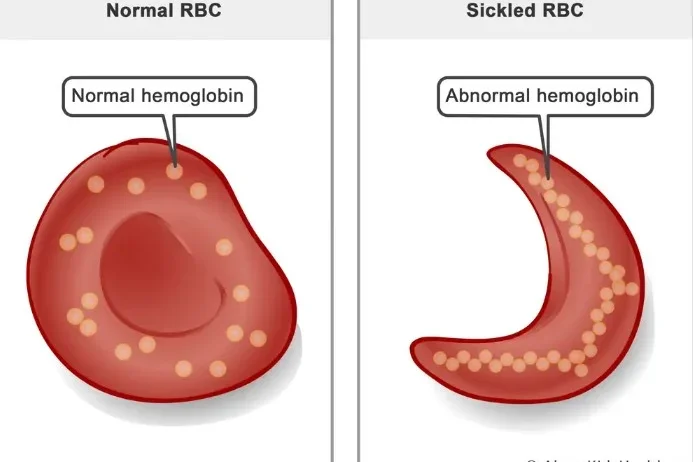
Sickle Cell Disease (SCD) is a genetic disease that affects hemoglobin, an important protein in red blood cells, which carries oxygen from the lungs to the rest of the body. Hemoglobin structure is determined by the genes inherited from each parent.
Red blood cells with un-altered hemoglobin are flexible and move easily through the smallest blood vessels in the body. In SCD the abnormal hemoglobin causes red blood cells to make a C, or a sickle, shape and are less flexible. This makes these red blood cells prone to getting stuck in the small vessels and causing blockages. These blockages lead to the symptoms and complications patients with SCD experience.
How Does the Alpha Clinic Help?
While the Alpha Clinic helps with accelerating the research and implementation of cell and gene therapies for all applicable conditions, we specialize in Sickle Cell Disease (SCD) clinical trial Navigation. Our group aims to not only ensure the integrity of the science but also to address the complex social factors impacting the availability of SCD treatments and the ethical considerations that come with new medical technologies.
Patient & Caregiver Resources
How do I get care for Sickle Cell Disease at UCLA?
UCLA Health Sickle Cell Program Website
To establish care for Sickle Cell Disease at UCLA, you can contact the UCLA Health Sickle Cell Program at (310) 267-1654 or email: sicklecell@mednet.ucla.edu.
The program offers the following services:
- High quality primary care with primary care champions
- Comprehensive oversight by sickle cell providers with access to world-class infusion and transfusion support
- World-class specialists in Pulmonary, Endocrine, Orthopedics and others to address any potential complication
- Neuro-Psychiatric assessment
- Adolescence to adult program to help sickle cell youth advocate for themselves
- Access to cutting edge therapy for sickle cell led by our own researchers
Now available at the following locations: Downtown Los Angeles, Redondo Beach, Santa Clarita, Westwood
You can also view the UCLA Sickle Cell Program flyer (PDF) here:
Are there any treatments or clinical trials for Sickle Cell Disease?
In 2023, the FDA approved two gene therapy treatments for sickle cell—Vertex and CRISPR Therapeutics’ Casgevy and bluebird bio’s Lyfgenia—bringing forth a new era of treatment options for people living with the condition. CIRM recognizes that more research and long-term innovation is needed to lower the costs of gene therapies, reduce the burden of the treatment on the patient, and make sickle cell therapies more accessible.
See more information about clinical trial options for Sickle Cell Disease at the NIH-sponsored page: https://curesickle.org/clinical-trials/
To view UCLA Health clinical trials for Sickle Cell Disease, please visit the UCLA Health Clinical Trials Page.
Where can I go to learn more about Sickle Cell Disease?
CureSickle.org - https://www.nhlbi.nih.gov/science/cure-sickle-cell-initiative/
The Cure Sickle Cell Initiative is an NHLBI-led collaborative research effort that is accelerating the development of gene therapies to cure sickle cell disease.
CIRM: Championing Change for Sickle Cell Disease in California - https://www.cirm.ca.gov/sickle-cell-disease/
The California Institute for Regenerative Medicine (CIRM) is funding regenerative medicine and gene therapy research to improve the lives of Sickle Cell patients in California and the world. This page is filled with resources for patients, caregivers, investigators and study teams.
Alpha Clinic Sickle Cell News Highlights

Defeating Sickle Cell Disease by Enrolling in NIH Gene Therapy Trial
Click to watch this webinar on YouTube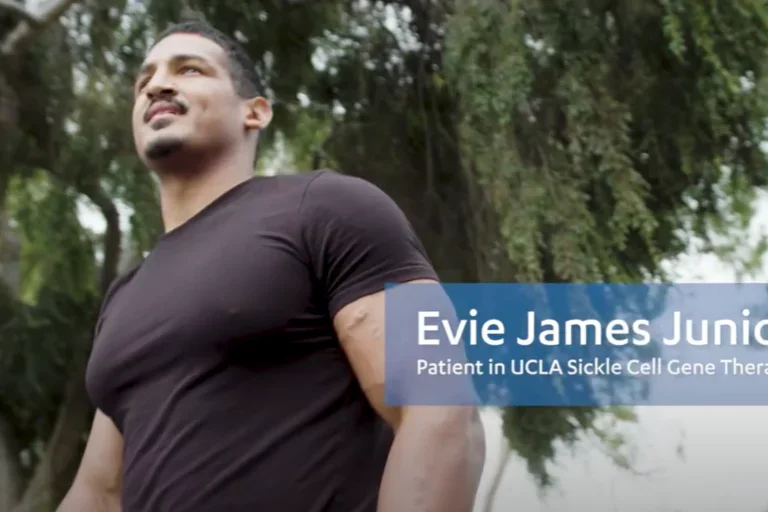
UCLA gene therapy trial for sickle cell disease: Evie’s story
Click to watch Evie's story on YouTube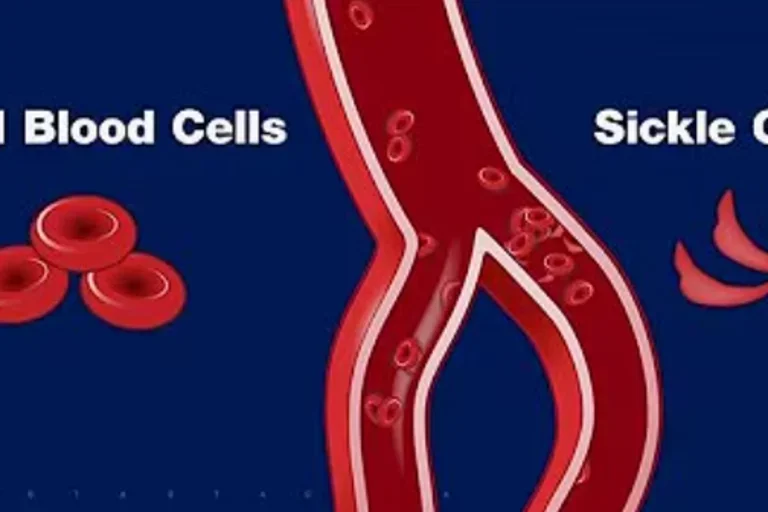
UCSF, Berkeley, UCLA to Launch Sickle Cell Trial Using CRISPR (2023)
Click to watch video on YouTube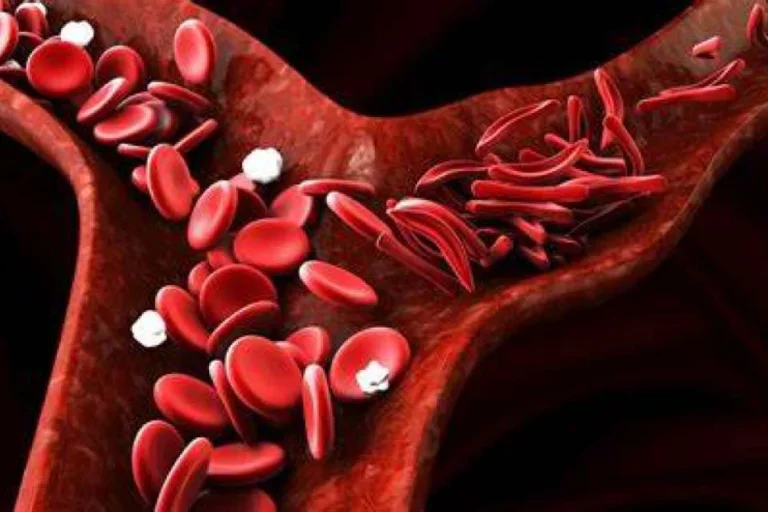
New gene therapy for sickle cell disease has been a long time coming
Click here to read the UCLA full article
FDA Approves First Gene Therapies to Treat Patients with SCD
Click to read the article on FDA.gov